The Cross-Border Conflict Evidence, Policy and Trends (XCEPT) research programme at King’s College London is working to understand more about the pathways to violent and peaceful behaviour, as well as the factors that offer resilience and protection against violence and conflict. Our aim is to inform policies and programmes that will support a sustainable peace in conflict and post-conflict settings, by generating insights into what factors drive, and can break, cycles of violence.
Pathways to violence and peace
Our multidisciplinary team is examining these themes through the following eight research strands, exploring how they play a role in pathways to violence and peace in conflict-affected societies:
- – Trauma and wider social and material stressors
- – Post–traumatic growth
- – Values and identities in civilians and armed actors
- – Experiences of imprisonment and extremism
- – Competing narratives in memorialisation, peacebuilding and heritage restoration
- – Cross-generational trauma and memories
- – Trust in institutions
- – Gender
A new approach: our Impact of Trauma Survey
As part of this research, we are fielding an extensive psychometric survey, the Impact of Trauma Survey (IoTS), in Iraq, Lebanon, and South Sudan. This will explore the role that trauma and mental health – related to conflict exposure, adverse childhood experiences, and other factors – can play in shaping people’s propensities to violent or peaceful behaviour.
Findings for policymakers and practitioners
To date, we have generated lessons for policymakers and practitioners on the importance of implementing scalable mental health interventions to break cycles of violence; increasing the visibility of male trauma and its implications in policy and research; balancing heritage restoration with acknowledgement of informal sites and spaces; involving national and local actors in heritage promotion; gathering feedback to ensure that Western peacebuilding language does not alienate or discourage local populations; and navigating sacred values in high level conflict negotiations.
The XCEPT programme: who we are
Funded by UK International Development from the UK government, XCEPT partners seek to better understand conflict-affected borderlands, how conflicts connect across borders, and the factors that shape violent and peaceful behaviour, to inform effective policy and programme responses.
King’s College London focuses on that final component and brings together expert researchers from a variety of backgrounds – including sociology, criminology, political science, history, cognitive science, anthropology, and developmental psychology.



Podcasts
Q&A with Dr Nafees Hamid
An interview with Dr Nafees Hamid, XCEPT research programme, King's College London
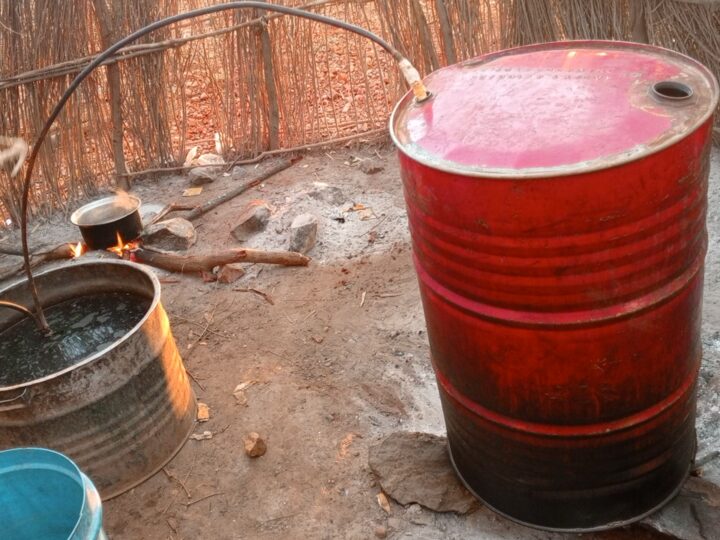
More Than a Drink: How Does Alcohol Shape Violence in South Sudan?
As part of the XCEPT programme research in South Sudan, we conducted surveys and interviews with community members in Kapoeta…
Adverse Childhood Experiences and Violent Extremism: A Scoping Review of the Literature
This scoping review of the literature examines the link between adverse childhood experiences and violent extremism across 23 studies covering…
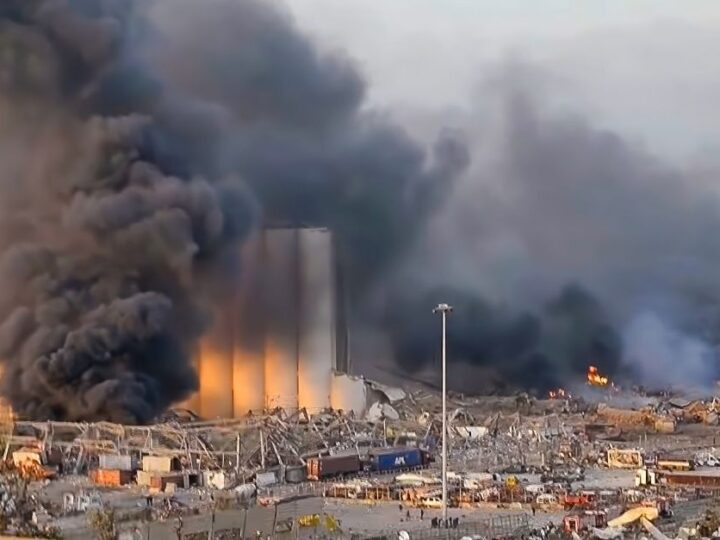
Six Years On, the Beirut Port Explosion is Still Not Over
Impunity, collective trauma and the unfinished pursuit of justice in Lebanon: six years on from the Beirut port blast.
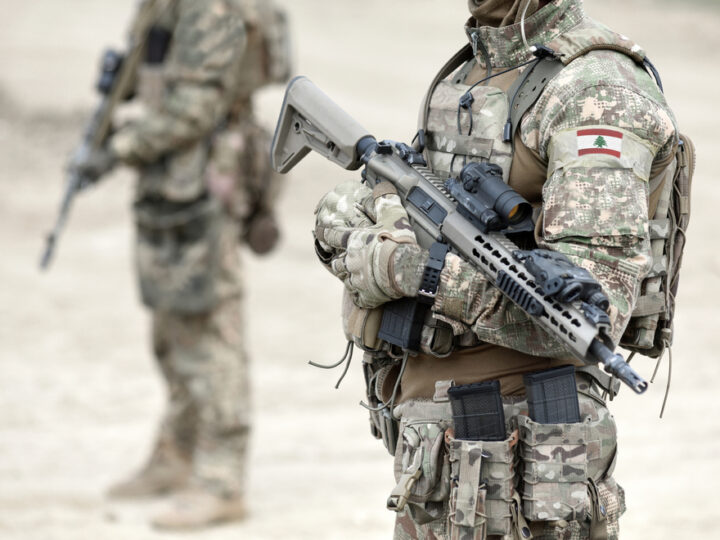
Uncovering the Motivations of Jihadists in a Hostage Crisis
Dr Rajan Basra is a researcher on the XCEPT programme at King’s College London. His paper with Dr Craig Larkin,…
Iraq’s PMF Integration Paradox: Competing Visions for a Future Within the Iraqi State
Twelve years after its creation, Iraq’s Popular Mobilisation Forces (PMF) sits at the centre of the country’s security, political, and…

Who Wants Hezbollah to Stay Armed?
A new study by XCEPT researchers Nils Mallock and Nafees Hamid, published in Foreign Policy, presents empirical evidence on why…
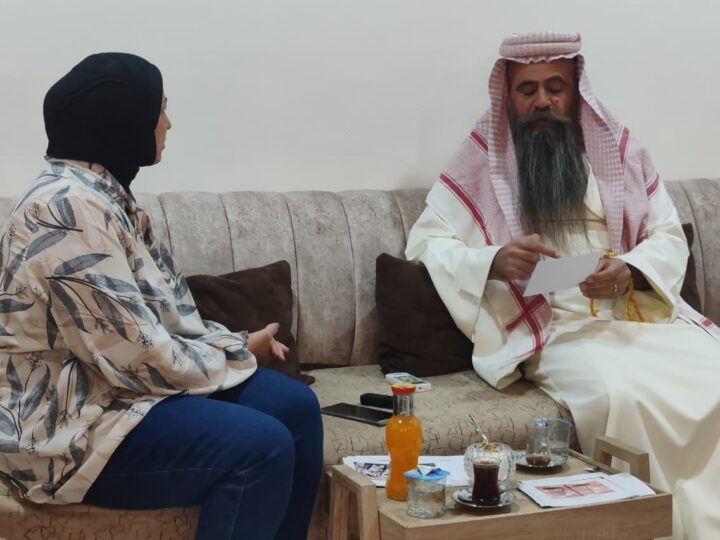
One Thousand and One Interviews: Lessons from Qualitative Research in the Middle East
By Rajan Basra, Fiona McEwen & Tamara Demasi For all the attention on conflict zones, whether through political debate, social…
The Psychology of Peaceful and Violent Protest: Research Insights from Iraq and Beyond
By Nils Mallock Understanding why people participate in political protest – and why some turn to violence while others remain…
A Farewell to Arms? Challenges and Preconditions for Hezbollah’s Demilitarisation
By Inna Rudolf This briefing note considers whether Hezbollah can be sustainably demilitarised amid the current US-Israel-Iran escalation and its…
Psychological Intergroup Interventions in Fragile and Conflict-Affected States: Why They Matter, What Works, What Doesn’t and How to Deploy Safely
By Andrés Casas and Boaz Hameiri Executive Summary We highlight a central paradox: many psychological intergroup interventions in fragile and…
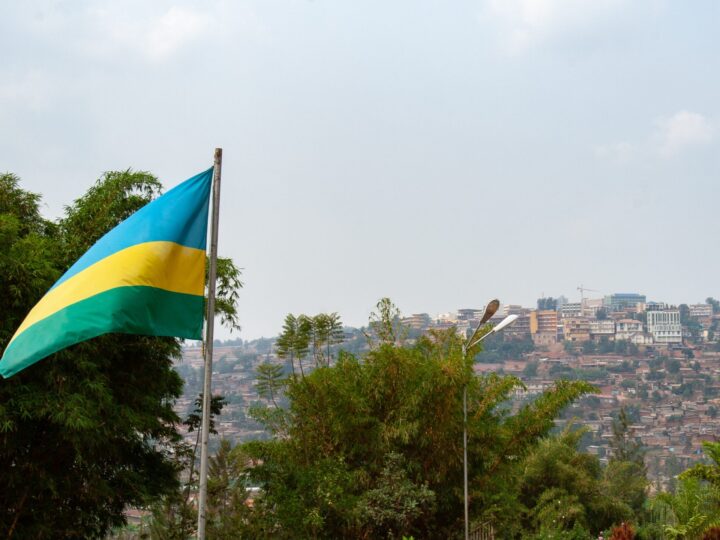
Exploring the Role of Identity in Reconciliation and Radicalisation
By Sarah Carver The Rwandan Civil War (1990-1994), which was fought between the army and the Rwandan Patriotic Front…
Beyond Recognition: Research Insights to Address Future Challenges in Palestine and Israel
By Nils Mallock Amid catastrophic levels of violence, displacement and destruction, the Israeli–Palestinian conflict has found itself in a new…
Promoting Reconciliation: Lessons from the Social Psychology of Extremism and Forgiveness
By Alexandra Vázquez Botana and Sam Hibbs This Policy Brief highlights policy recommendations to promote reconciliation between antagonistic groups, drawing…
Psychosocial Antecedents of Forgiveness, Reconciliation and Extremism
By Alexandra Vázquez Botana This paper examines some of the factors that determine extremism and the willingness to forgive and…
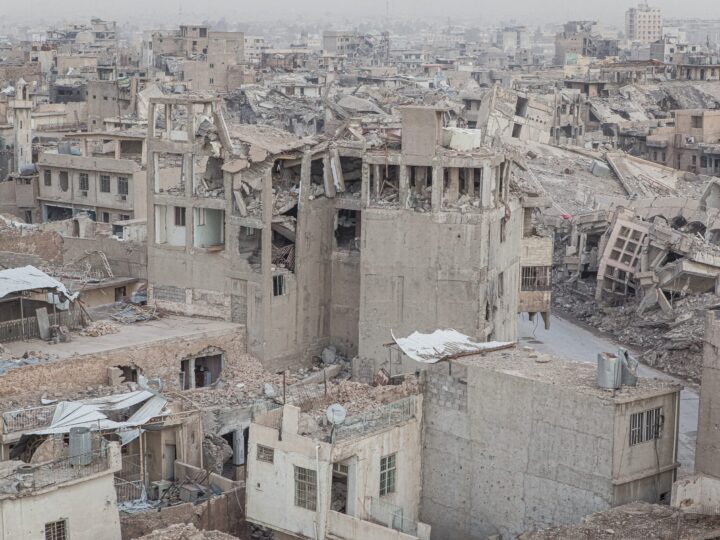
The Struggle for the City: Urban Recovery and Dispossession in Mosul and Damascus
By Dr Craig Larkin “A walk through the old city of Mosul, Iraq, reveals an urban landscape still scarred by…
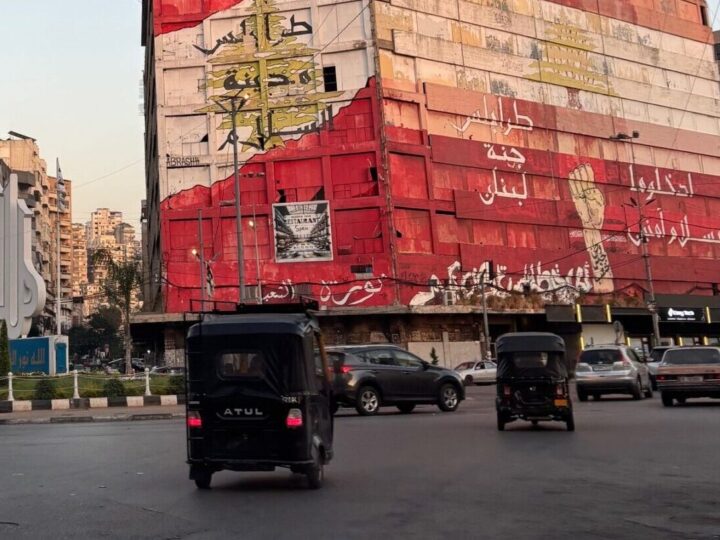
Jihad, Sects & the City: Interviewing Tripoli’s Ex-IS fighters
By Dr Craig Larkin We recorded hours of conversations with several former Islamic State (IS) fighters from Lebanon who opened…
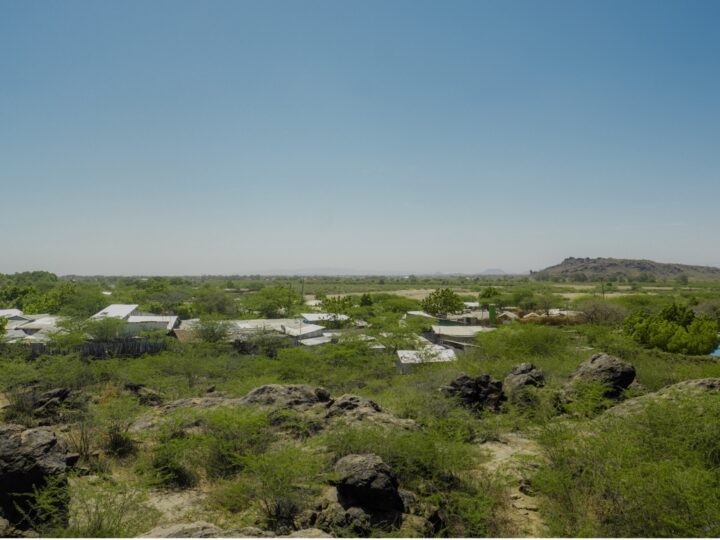
Aid Cuts, Differentiated Assistance, and Implications for Fatherhood in Kakuma Refugee Camp, Kenya
By Dr Heidi Riley, Peter Kidi, and Clara May Centring local knowledge and voices is key to conducting impactful research.…
More Than Bargaining Chips: How Jabhat Al-Nusra and Islamic State Kidnapped and Used Hostages in Lebanon
This paper presents an empirical examination of the Arsal hostage crisis in Lebanon, when Jabhat Al-Nusra and Islamic State kidnapped…
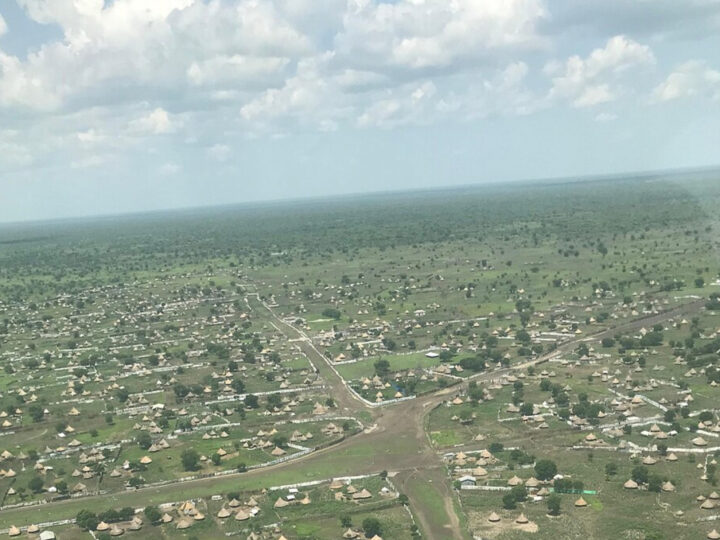
The Role of the Diaspora in the Conflict in Jonglei State: The Case of Greater Akobo
By Chuol Gew Nhial Ngeprial In April 2025, the leader of the White Army Youth in Akobo, South Sudan, met…