A leading academic institution in the heart of London, we are focused on the past, present, and future of statecraft, national security, and international order.

Who We Are
The Centre for Statecraft and National Security (CSNS) brings greater depth and expertise to the making of national security policy today, through research-led professional development and direct engagement with policymakers.
Based within the Department of War Studies at King’s College London, CSNS was founded in 2025 following the merger of the International Centre for the Study of Radicalisation and the Centre for Grand Strategy.
What We Do
The Centre for Statecraft and National Security (CSNS) is devoted to a new way of thinking about international affairs and national security, with an emphasis on integrated approaches and long-term strategic thinking.
The Centre is committed to working with policymakers on pressing issues of real-world significance. It uses historical and other innovative approaches to better understand the immense challenges of our current age – on issues from terrorism and extremism to great power competition and the rapid pace of technological change.












Europe Can Flag Ships to Keep the Black Sea Open
The city of Odesa is Ukraine’s economic gateway to the world. Russia does not need to sink every ship entering…
Lebanese Hostages’ Families, Moral Injury and the Legacy of the Arsal Kidnappings
New research examines the long-term impact of the Arsal kidnappings in Lebanon, focusing on the families of the security personnel…
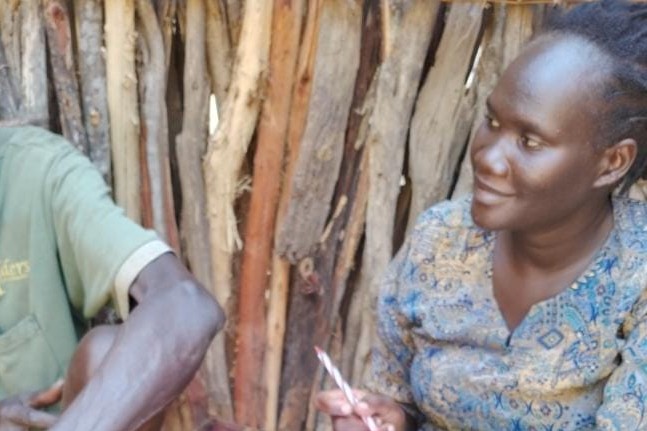
Pause the Recording: Lessons Learned from the XCEPT Interviews in South Sudan
Anna Sebit describes her experience conducting interviews on behalf of the XCEPT programme in South Sudan. She describes the reality…
Tangle of Trauma Webinar Recording
Recording of the XCEPT team's webinar 'The Tangle of Trauma: How Moral Injury Can Delay Peace in Conflict-Affected States' available…
AUKUS Renewed: Confronting Resilience Failures and Reframing the Narrative
By Sophia Gaston Introduction: There are many reasons why it can be challenging for foreign policy doctrines, projects or narratives…

Q&A with Dr Nafees Hamid
An interview with Dr Nafees Hamid, XCEPT research programme, King's College London

More Than a Drink: How Does Alcohol Shape Violence in South Sudan?
As part of the XCEPT programme research in South Sudan, we conducted surveys and interviews with community members in Kapoeta…

‘Tree of Justice’ Protest: How Vietnamese Youth are Mobilising Online to Hold the Powerful to Account
A fatal car crash and a censored rap album, seemingly unrelated and a year apart, have sparked what could be…

Collaborating for Chaos: Moving NVE Knowledge from Telegram to the Dark Web
The team at the Repository of Extremist Aligned Documents (READ) developed this insight by actively...

The Women Behind the Screens: How Digital Evidence Enhances Our Understanding of Female Terrorism Offenders
Criminal evidence is the key to prosecution. Yet, a UN report found that the collection...

ISIS’s Current Cyber Ambitions: Intent, Capabilities, and Threat
Cyberattacks have long been an integral part of the global threat landscape, posing a persistent...

ISKP’s QR Codes and the Limits of Text-Based Monitoring
On 1 July 2026, the US Treasury’s Office of Foreign Assets Control added 134 cryptocurrency...

No More Edits: The Fagersta Attack and The True Crime Community in Scandinavia
On 21 August 2026, 18-year-old Liam Nebel walked into Brinellskolan in Fagersta, wearing all black,...
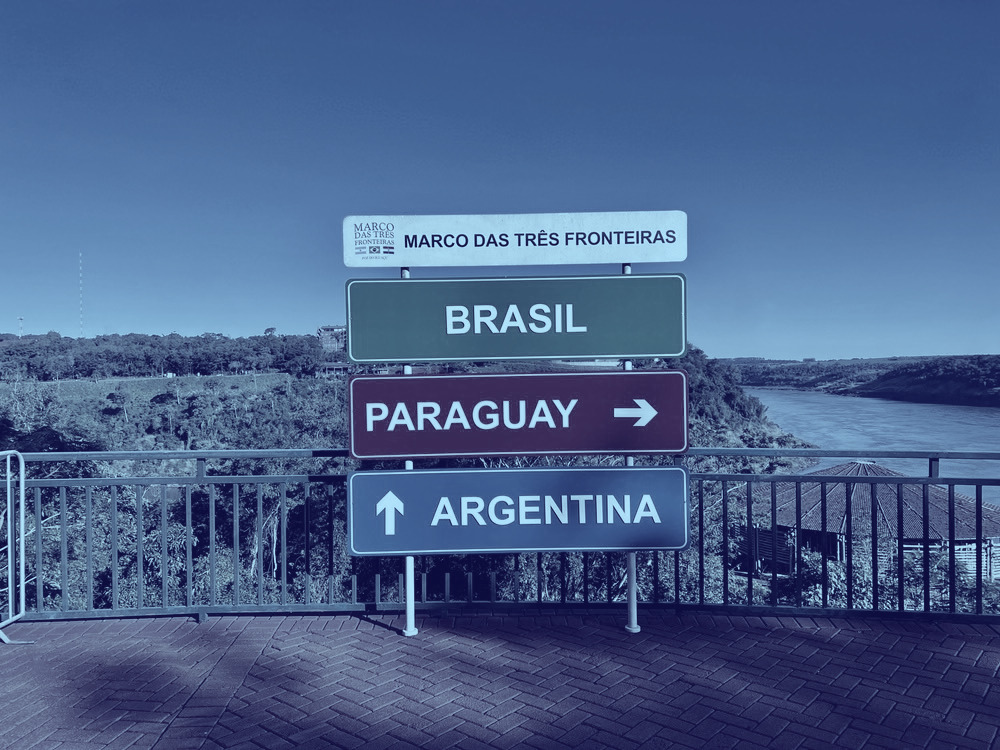
Reconceptualising Makarenko’s Continuum in the Digital Age: The Case of Hezbollah
This Insight is part of GNET’s LatAm series, which looks at the crime-terror nexus in Latin...

Neither Terrorist nor Criminal: How Hybrid Actors Fall Through Platform Moderators
This Insight is part of GNET’s LatAm series, which looks at the crime-terror nexus in Latin...

Blurred Lines: The Child Safety Gap in the Crime-Terror Nexus
This Insight is part of GNET’s LatAm series, which looks at the crime-terror nexus in Latin...
Events
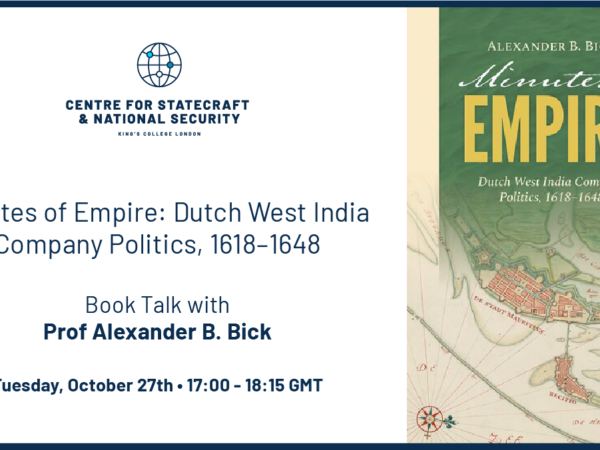
Minutes of Empire: Dutch West India Company Politics, 1618–1648
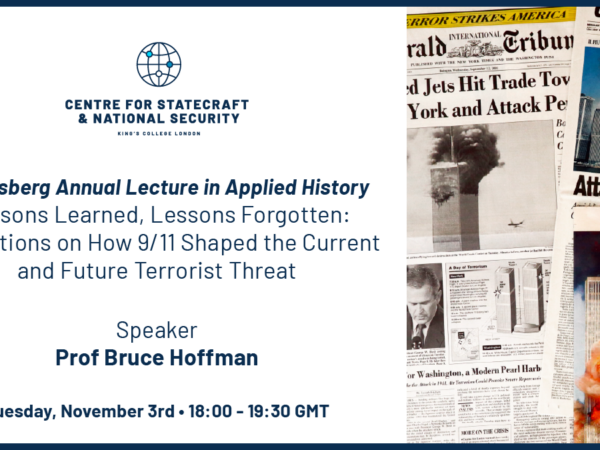
Engelsberg Annual Lecture in Applied History