


The Designation of 764 Network: Why Does it Matter?
The 764 network is an international online sadistic network which operates at the intersection of...

Operation Herof-2: How Hakkal Media Weaponised the BLA’s Narrative Online
On 31 January, the Baloch Liberation Army (BLA), a designated Foreign Terrorist Organisation, launched the...

Inside the Discord Server: Echo Chambers and the Spread of Gen-Z Radicalisation
This Insight examines how extremist aesthetics and narratives inspired by jihadist groups are produced, circulated,...

AI-led Content Moderation Tools: Are They The Answer To Combatting Online Extremism in Canada?
Social media has proven to be a significant medium fomenting violent extremism, the circulation and...

From Generative AI to Crypto Exchanges: The Infrastructure Behind the GOYIM Token
On 1 February 2026, a meme token called GOYIM appeared on the Solana blockchain, a...

Spain’s New Neo-Nazi Networks: ‘Remigration’ and Radicalisation Online
In Spain, hostility toward immigrants is one of the most prevalent forms of online hate,...

Silent Recruitment: Extremist Child Targeting on Messaging Platforms in Indonesia
In November 2025, Indonesia’s National Police Detachment 88 (Densus 88 AT Polri), together with the...

An ‘Ode to Violence’: Extremist Exploitation of Viggle AI
New and unique online platforms are seemingly constantly cropping up, often ripe for extremist exploitation...

Extremist Nasheeds: Emerging Subcultures and the Cultivation of Radical Online Communities in Southeast Asia
This Insight relies on open-source intelligence to examine how nasheeds – Islamic hymns – are...
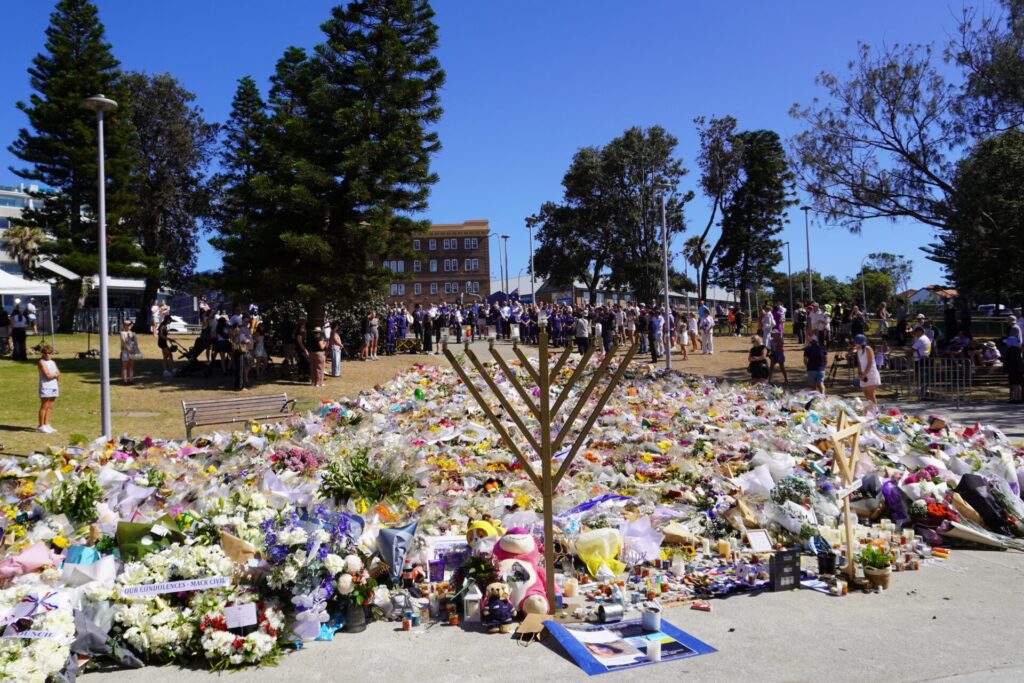
Undermoderated and Overlooked: Arabic Online Content on the Bondi Beach Attack
Following the heinous attack on members of the Jewish community celebrating Chanukkah on Bondi Beach...

Warning Behaviours for Right-Wing Violent Radicalisation on Online Platforms: Conceptual Challenges and Empirical Findings
This Insight draws on data from the RadiGaMe project and is funded by the German...

Group Dynamics in Far-Right Telegram Communities: A (Worthy) Challenge for Radicalisation Research
This Insight draws on data from the RadiGaMe project and is funded by the German...

Extremist Content Curation: Moderation Challenges on Pinterest and Means to Move Forward
On 17 October 2025, the Coimisiún na Meán – Ireland’s agency for developing and regulating...

From Confusion to Extremism: How Deepfakes Facilitate Radicalisation
On 14 December 2025, two gunmen opened fire on a public Hanukkah celebration attended by...

Telegram Stars: Exploring Micropayment Exploitation, Digital Goods and the Evolving Tactics of Terrorist Financing
Over the past decade, terrorist organisations have repeatedly demonstrated their ability to adapt to disruption...

Shock and Awe: Geopolitical Disruption and Terrorist Narrative Opportunism Online
The US capture of Venezuelan President Nicolás Maduro and his wife, Cilia Flores, generated a...

Escape The Void: Responding to Youth-Led Nihilistic Violence
This Insight was published as part of GIFCT’s Working Group on Addressing Youth Radicalization and Mobilization...

“Agentic Smurfing”: How AI-Autonomous Micro-Laundering is Outpacing Traditional Terrorist Financing Detection
The convergence of artificial intelligence and cryptocurrency has created a new threat to counter-terrorism financing...

The Moscow Oblast School Stabbing: Digital Rehearsal, Gaming Communities, and Youth Pathways to Violence
In the morning on 16 December 2025, local police were called to a school in...
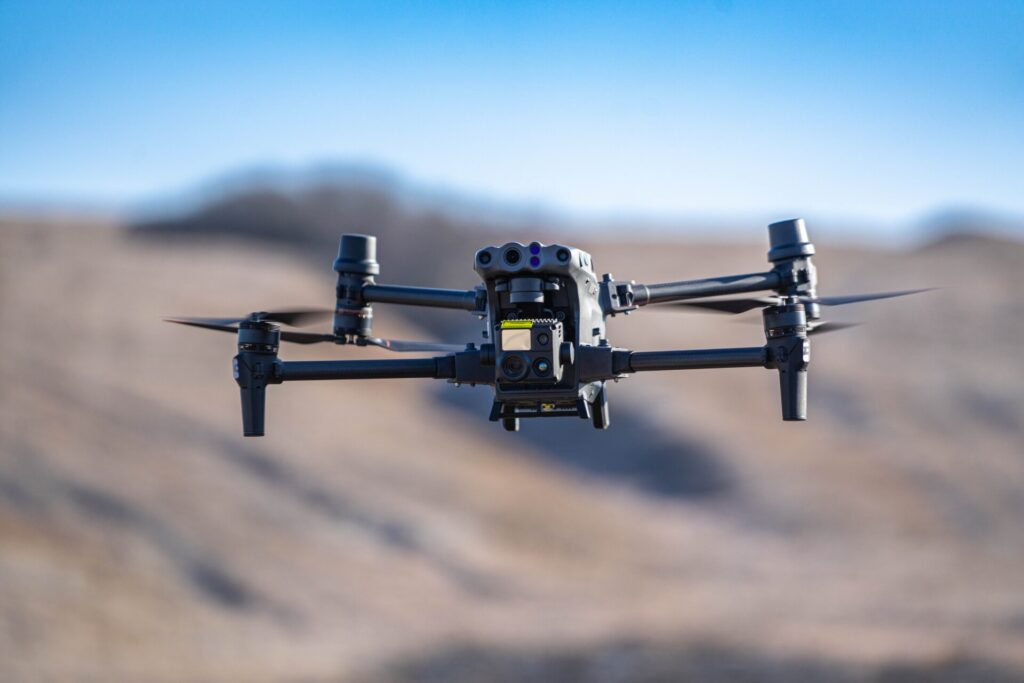
From Defence to Offence: How Anti-Drone Technologies Are Empowering Militants in a New Era of Coordinated Drone Warfare
In 2025, Pakistani security forces witnessed at least 405 quadcopter attacks by Islamists Tehreek-e-Taliban (TTP)...

3D-Printed Warfare: A New Phase in Jihadist “Do-It-Yourself” Innovation Targeting the West?
This Insight analyses potential security threats associated with the use of 3D-printing technologies for the...

The Moscow Oblast School Stabbing: Understanding Hybrid Radicalisation and Transnational Online Subcultures
The fatal stabbing of a 10-year-old Tajik immigrant schoolboy in the Odintsovo district of Moscow...
Testing Resilience: Can the Proposed EU Drone Wall Defend Against Extremist Actors?
The European Union is developing a “Drone Wall”, officially named the European Drone Defence Initiative,...

Understanding Cyberhacktivist Radicalisation: A Socio-Psychological Approach
Note: The following Insight draws on research conducted by Sonja Belkin and Kristy Sakano under...

The Exploration of Dialogue-Based AI Interventions in P/CVE: Opportunities, Limits, and Lessons
Across the Preventing and Countering Violent Extremism (P/CVE) field, practitioners know that radicalisation processes increasingly...

Modern Warfare: The Islamic State’s Emerging Drone Instruction Ecosystem
Over the past decade, Islamic State (IS) has repeatedly adjusted the way it teaches technical...

The Jakarta Bombing: Youth Digital Radicalisation and the Urgent Need for Adaptive PCVE Responses
This Insight analyses the digital influences, memetic behaviours, and visual-symbolic cues that underpinned the explosion...

The Nordic Front of ‘764’: Trends, Drivers, and Countering Youth Exploitation and Radicalisation
This Insight was published as part of GIFCT’s Working Group on Addressing Youth Radicalization and...
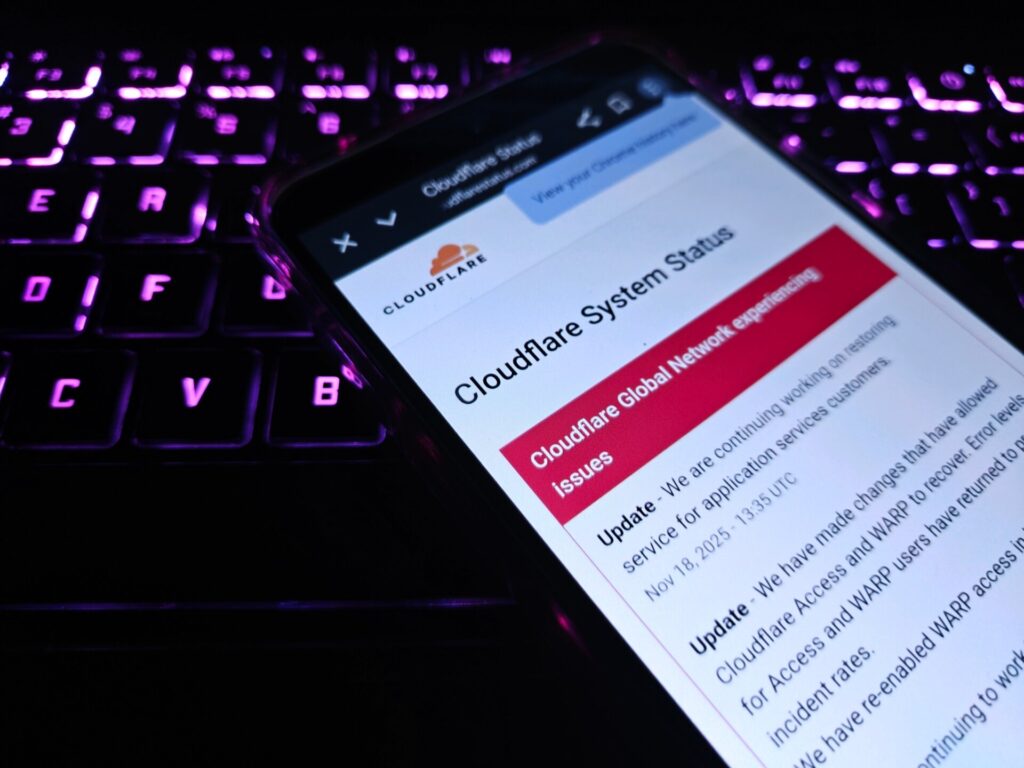
Cutting a Hydra’s Head: Infrastructure-Level Content Moderation and the Case of Kiwi Farms
On 18 November 2025, the popular Content Delivery Network (CDN) and Distributed Denial of Service...
Cosplaying Columbine: How Memetic Violence Transformed Southeast Asia’s Extremist Threat
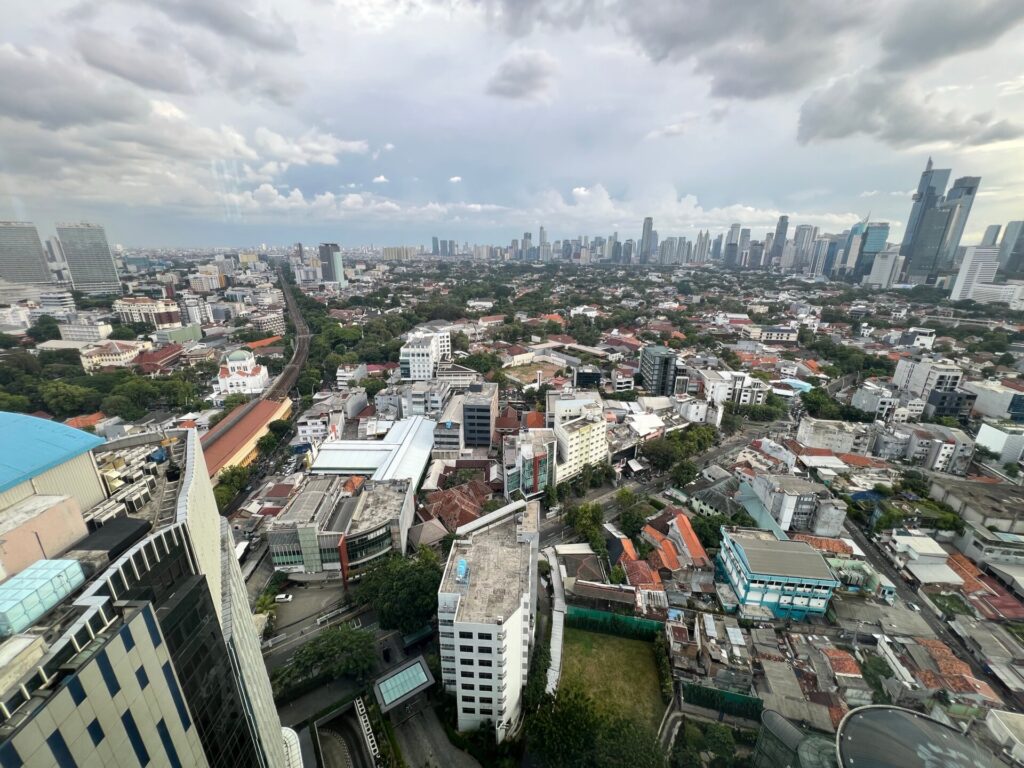
The 7 November 2025 attack at Sekolah Menengah Atas Negeri 72 (SMAN 72) in North...

Participatory Memetic Violence: Legend, Ostension, and Ideologically Diffuse Violence
Folk studies are not a source of analysis often used in the P/CVE space. However,...

Monetising Misogyny: Engagement Farming and the Tactics Behind Incendiary Online Content
This Insight is part of GNET’s Gender and Online Violent Extremism series, aligning with the...

Digital Weaponisation: Taliban Propaganda and Narrative Warfare on X
The Pakistani state and Afghan Taliban forces recently clashed along the Durand Line—one of the...

The Feed That Shapes Us: Extremism and Adolescence in the Age of Algorithms
This Insight was published as part of GIFCT’s Working Group on Addressing Youth Radicalization and...

The Weaponisation of Femininity: Gendered Realities in ISIS’s Digital Caliphate
This Insight is part of GNET’s Gender and Online Violent Extremism series, aligning with the...

You Talkin’ to Me? Algorithmic Mirrors and Chatbot Radicalisation
In his latest assessment to Parliament, Jonathan Hall KC, the UK Government’s Independent Reviewer of...

Could Chatbots Seduce Us into Extremism? Radicalisation Risks in an Age of AI Companions
In July, the UK Government’s Independent Reviewer of Terrorism Legislation, Jonathan Hall KC, relayed his...

Have Any Change to Spare? How the Islamic State Leverages Instagram for Fundraising
Following the 2019 Battle of Baghouz, which marked the Islamic State’s territorial collapse, IS-affiliated individuals...

Fractures on the (Storm-)Front: Contesting the Role of Women in White Supremacy
This Insight is part of GNET’s Gender and Online Violent Extremism series, aligning with the UN’s...

Back to Basics: 325 and the Renewed Critique of Technological Civilisation
This Insight examines the return of 325, an insurrectionary anarchist zine, and the renewed prominence...

Intersectionality in the Incelosphere: Understanding the Racial Dimensions of Misogynistic Extremism
This Insight is part of GNET’s Gender and Online Violent Extremism series, aligning with the...

Sanctified Misogyny: The Use of Fundamentalist Sexual Narratives to Legitimise Incel Ideology
This Insight is part of GNET’s Gender and Online Violent Extremism series, aligning with the...

Neo-Nazi Exploitation Online: AI Voice-Cloning and the Revival of Hitler Speeches
For over a year, neo-Nazi networks have been exploiting readily available AI voice-cloning tools to...
Space Tech and Terrorism: Satellite Imagery and GPS-Guided Drones in TTP Propaganda
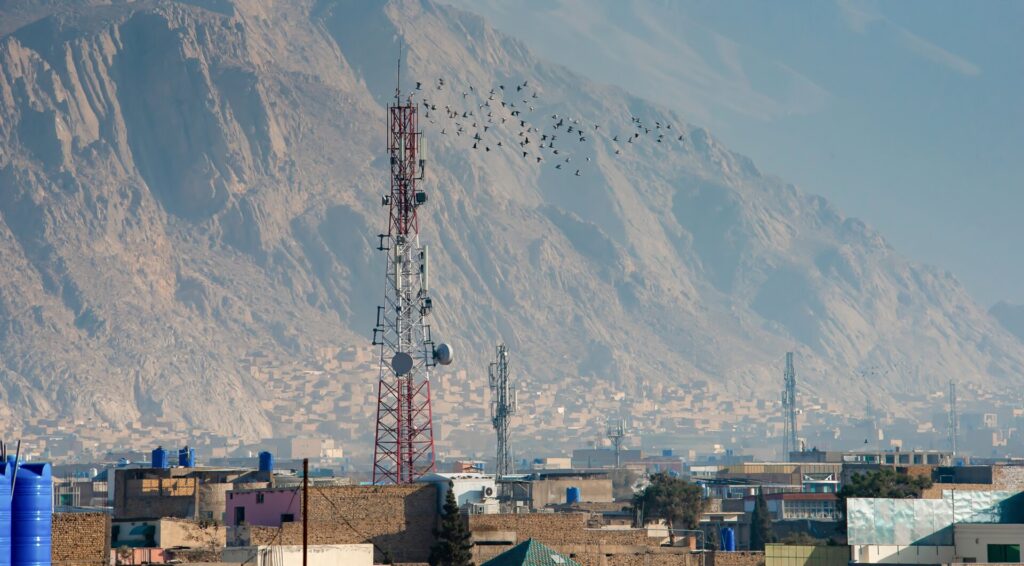
Tehrik-e-Taliban Pakistan (TTP), a UN-designated terrorist organisation and statistically the deadliest terrorist outfit in Pakistan,...

From TechHaven to Telegram: How Latin American Youth Are Being Drawn into Jihadist Networks
This Insight was published as part of GIFCT’s Working Group on Addressing Youth Radicalization and...
Echoes of Resistance: Mapping Geuzenbond and its Latest Plot in the Netherlands
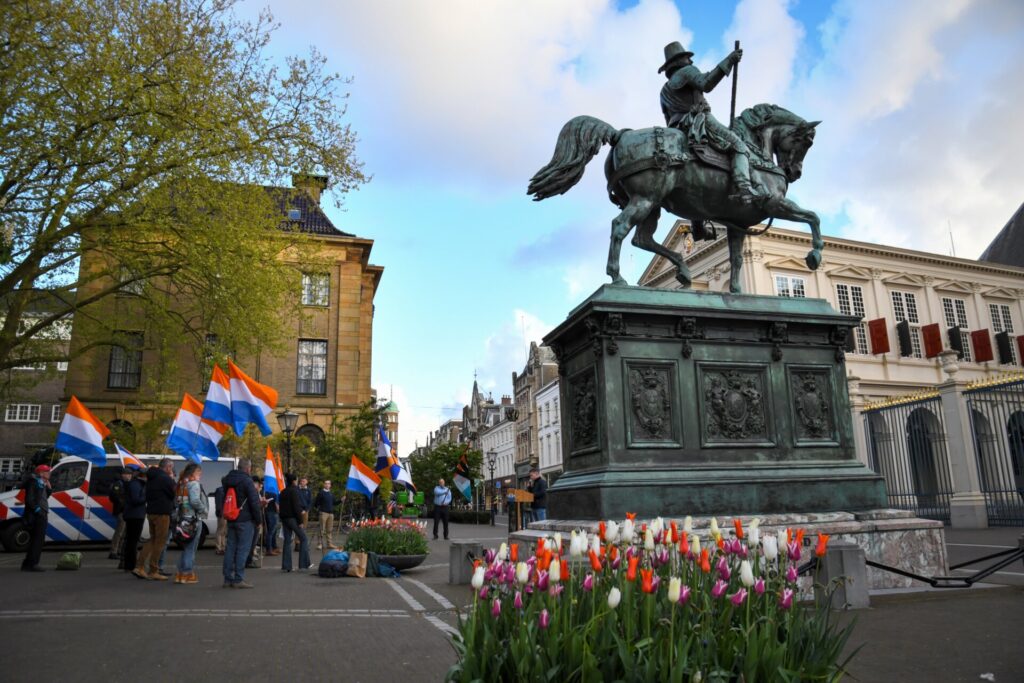
On 14 August 2025, Thomas Daveson – identified as Thomas D. by the media –...

The Attention Window: Online Ecosystems of Rage, Mobilisation, and Extremist Narratives Following the Heaton Park Synagogue Attack
On 2 October 2025, all eyes turned to the shocking events unfolding at a synagogue...
Climate Catastrophe: Militants’ Manipulation of Climate Narratives in Pakistan
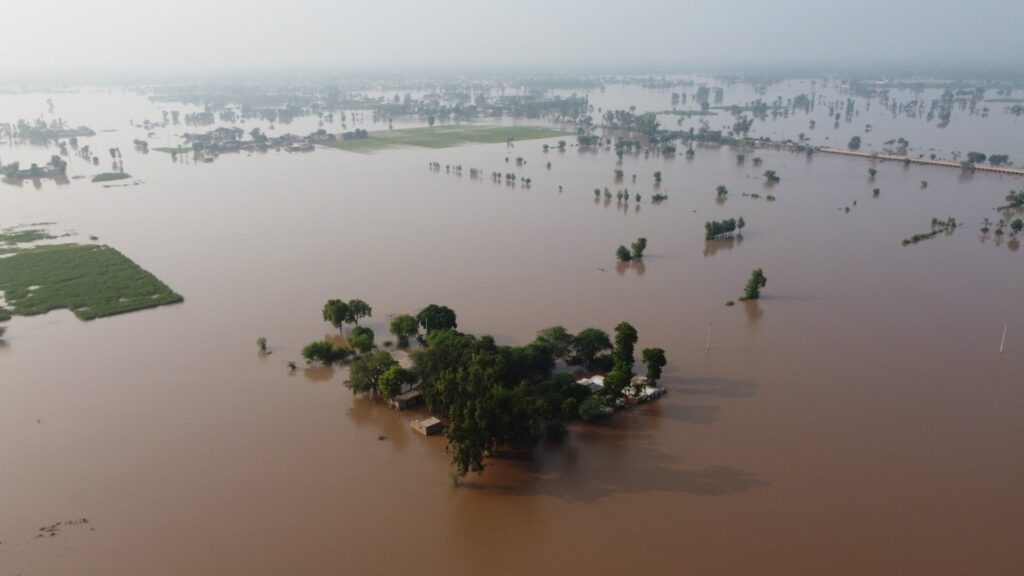
Pakistan has faced the devastating impacts of climate change in recent years, with flash floods...